When people say Amboseli is best avoided during the rains, they are usually treating two very different seasons as the same thing. The long rains and the short rains in Amboseli are not identical. They fall at different times, behave differently on the ground, and create different tradeoffs for travelers trying to plan around them.
This matters in practice. The decision to book in April versus November involves entirely different expectations about road conditions, cloud cover over Kilimanjaro, and overall trip rhythm. Getting that distinction clear before you plan saves you from misjudging one period because of what you have read about the other.
How the Two Rainy Seasons Work in Amboseli
Amboseli follows Kenya’s bimodal rainfall pattern. Two wet periods arrive each year, separated by dry seasons, and they are not mirror images of each other.
The long rains: March to May
The long rains are the main wet season across much of East Africa and hit Amboseli hardest between mid-March and late May. April is typically the wettest month. May begins to ease off but can still bring significant rain.
What the long rains produce at Amboseli:
- Heavy cloud build-up, often obscuring Kilimanjaro for days at a time
- Saturation of the black cotton soil approach roads, which can become impassable in the wettest weeks
- Lush green scenery across the plains and swamp areas
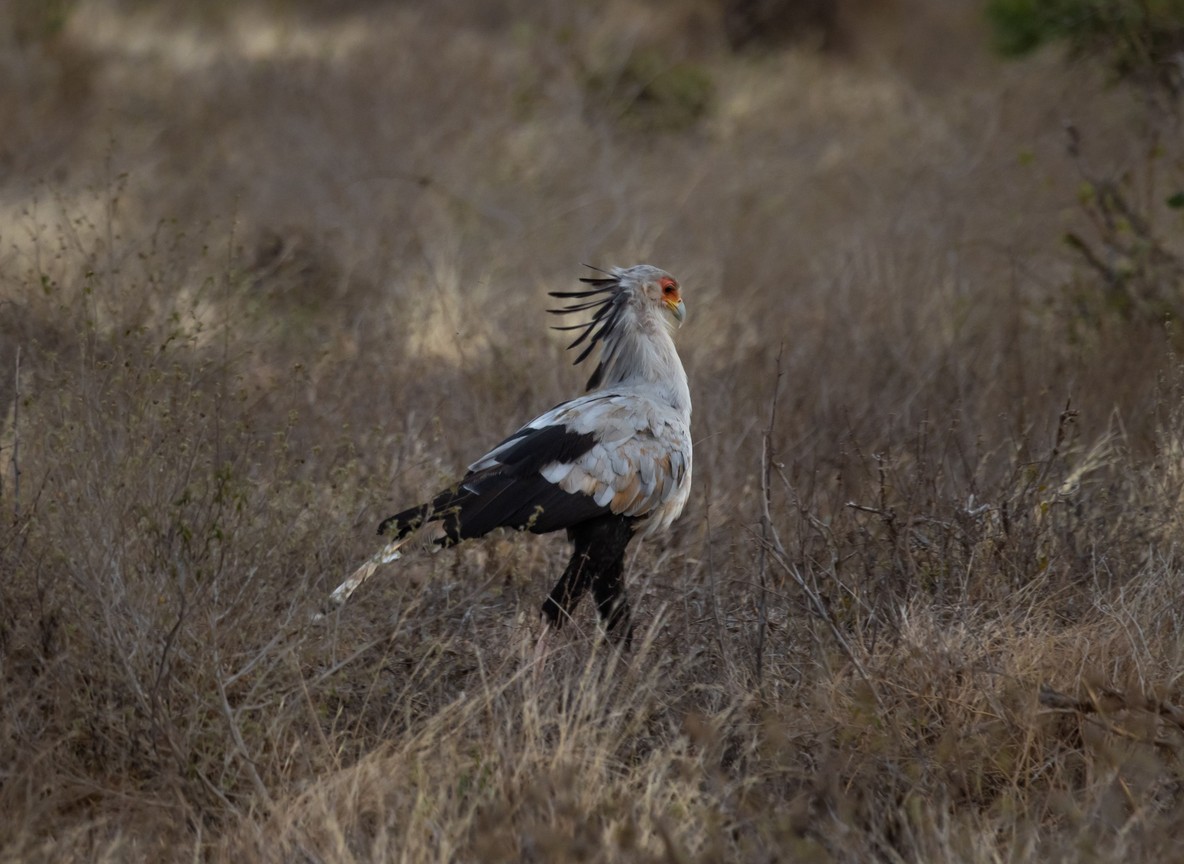
- Strong bird activity and migratory species presence
- Very low visitor numbers and reduced camp rates
- A moodier, more atmospheric version of the park that rewards patience
The long rains are the period when logistical planning matters most. A poorly timed visit in late April with no rain contingency and a tight connection back to Nairobi is a problem. A well-planned visit with the right vehicle, realistic transfer timing, and no immovable deadlines can be genuinely rewarding.
The short rains: November to December
The short rains arrive in November and typically ease off by mid-December. They are generally less intense than the long rains — lighter rainfall, more broken shower patterns, and shorter daily duration.
What the short rains produce at Amboseli:
- Green return to the plains after the October dry period
- More mixed cloud and sunshine than April, with better windows for Kilimanjaro views
- Lower visitor numbers than the July-October peak
- Good value relative to high season rates
- Manageable road conditions in most years
November is a particularly interesting month in Amboseli. The park is fresh, crowd pressure is well below the dry-season peak, and the overall experience tends to hold together well for most traveler types. December can be disrupted by the school holiday booking surge in the second half of the month.
Comparing the Two: A Practical Breakdown
Road conditions
The short rains win on practicality in most years. Lighter rainfall means less road disruption, and the drier intervals are long enough for tracks to recover between showers. Overland arrivals face less risk of being stuck or delayed.
During the long rains, particularly in April, the black cotton soil around Amboseli’s approaches can make some routes genuinely impassable without a high-clearance 4×4. Not all operators use vehicles suited to wet-season driving. If you plan a long-rains visit, the question of which vehicle your safari uses is not minor.
Kilimanjaro visibility
Neither rainy season gives you reliable mountain views. The dry seasons — January to March and June to October — are when Kilimanjaro cooperates most consistently.
Between the two wet periods, the short rains are easier. The cloud systems during November are more broken, with morning clearances more common than in April. The long rains produce sustained cloud that can park over the mountain for days. If you care about Kilimanjaro photography, the long rains are a genuine risk. The short rains are a calculated one.
Wildlife
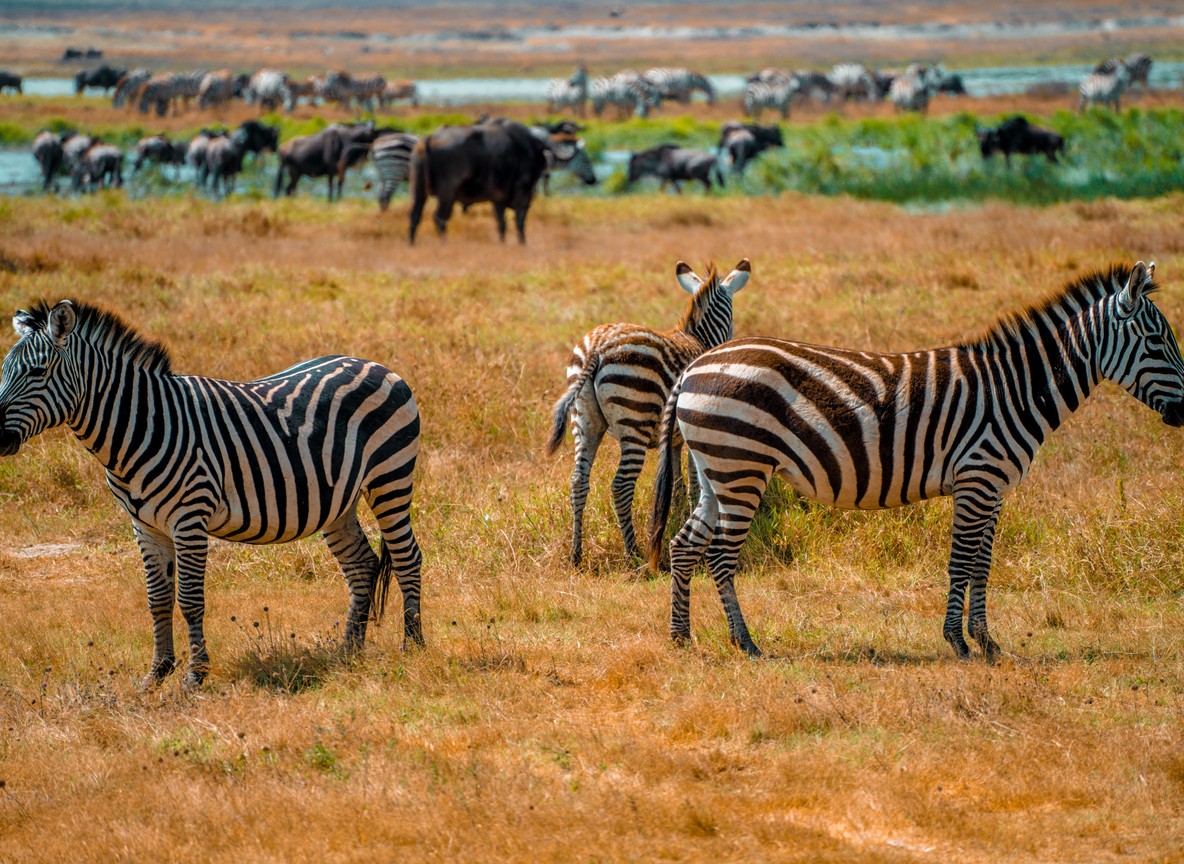
This is where Amboseli’s specific character matters. Most African parks see a dispersal of wildlife during the wet season as animals move away from permanent water sources and spread across the freshened landscape. Amboseli’s elephant herds do this to some extent, but the permanent swamp system keeps them anchored in and around the park’s core. Large herds are visible during both wet seasons.
What changes in the rains is not whether wildlife is present. It is how easily you can move to reach it and how quickly you can reposition during a game drive. Wet roads slow everything down. Factor that into expectations.
Bird activity
Both wet periods are strong for birding. The long rains bring migratory species that can be almost impossible to see in the dry season, and the flooded swamp and freshened wetland habitat concentrate waders and water birds. Short rains produce similar energy at a slightly lower intensity.
If birding is the primary focus, both seasons are worth considering. The short rains have the practical advantage of getting you there more easily.
Value
Both wet periods offer substantially lower rates than the July-September peak season. Long rains discounts tend to be deeper — some camps drop rates significantly in April. But the depth of the discount corresponds to the depth of the conditions trade-off.
Short rains offer good value without quite the same severity of conditions. For travelers who want to save money without accepting the full long-rains package of risk, November is usually the better calculation.
Side-by-Side Summary
| Factor | Long Rains (March-May) | Short Rains (November-December) |
|---|---|---|
| Main months | March, April, May | November, December |
| Rainfall intensity | Heavy; April worst | Lighter; more broken |
| Road practicality | Harder; can be severe | Easier; usually manageable |
| Kilimanjaro views | Low reliability | Better, especially mornings |
| Scenery | Very green, lush | Green and fresh |
| Bird activity | Strong | Strong |
| Visitor numbers | Very low | Low to moderate |
| Camp value | Deep discounts | Good value |
| Best fit for | Specialist, patient travelers | Most traveler types |
Who the Long Rains Actually Suit
The long rains in Amboseli are not the wrong choice — they are the specialist choice. They suit travelers who:
- Want the park at its most atmospherically dramatic, with big African skies and deep green saturation
- Are flexible about timing, not locked into a specific departure date
- Have the right vehicle and guide setup for wet-season conditions
- Are not making Kilimanjaro photography the trip’s primary goal
- Want an Amboseli experience with almost no other tourists present
If that description fits you, April and May in Amboseli can produce images and memories that dry-season safaris simply do not. The mood is different. The light when rain clears is extraordinary. The park feels like yours.
Who the Short Rains Suit Better
The short rains suit the wider range of traveler types. They make sense if you:
- Want a greener, fresher park than dry season without the full logistics challenge
- Want to avoid peak-season prices and crowds without taking on peak-season conditions
- Are making Kilimanjaro views part of the plan but can be flexible about when they happen
- Want predictable, reliable game drive conditions
For first-time visitors to Amboseli who have some flexibility on timing and want to avoid peak-season rates, November is frequently the recommendation.
Explorer Notes: Planning Either Period Well
If you plan a long-rains visit, build your itinerary with more time than you think you need. Add buffer days. Do not schedule tight connections. Confirm with your camp what vehicle will be used for game drives. Ask specifically about April road conditions on the route you are taking — the Amboseli approaches vary considerably in how they handle heavy rain.
For short-rains visits, the main planning point is November vs December. Early November tends to be quieter and more forgiving. The second half of December fills up quickly with school holiday bookings from both international and domestic travelers, which pushes rates up and reduces the value advantage.
Both periods benefit from booking accommodation with flexible cancellation policies where possible. Rain is not reliably predictable in either season.
The Bigger Amboseli Timing Picture
The long rains and short rains question exists within a broader timing decision. Amboseli’s peak season runs July to October, with June and November as strong shoulder options. January to early March is a dry mini-season that offers good conditions without the full July prices.
If you are genuinely comparing all timing options, touringinsights.com covers the full Amboseli month-by-month breakdown in detail, including the dry-season windows that do not come with the wet-season conditions trade-offs.
The wet periods exist on a spectrum from “worth it with preparation” to “specialist choice only.” Understanding where your travel style sits on that spectrum is the planning work that makes the difference.
Next Steps
For a deeper look at Amboseli in each specific month, the best time to visit Amboseli guide on this site covers conditions from January through December. If you are comparing Amboseli against other Kenya parks for timing purposes, the Amboseli vs Tsavo guide is a useful starting point for the decision.
Both wet seasons at Amboseli are livable. Neither is optimal. The question is which trade-offs you can work with.
Every trip described here can be tailored: dates, budget, camps, and pace built around you.
Get a Personalised Safari